System Overview
For galvanised steel surfaces, coating systems must address the unique characteristics of zinc-coated substrates. Galvanised steel presents a smooth, chemically active surface that can resist conventional paints unless appropriate preparation and compatible coatings are used.
Paint systems designed for galvanised steel provide adhesion to the zinc surface while delivering a protective and decorative finish suitable for internal or external environments. These coatings are commonly used across agricultural structures, metal cladding, industrial fixtures, and galvanised steel components where corrosion protection and weather resistance are required.
EVEREST coatings formulated for galvanised steel typically use acrylic or oil-based technologies to achieve adhesion to non-ferrous metal surfaces while providing a practical maintenance coating for light to medium duty environments. These systems are frequently used in refurbishment situations where galvanised steel has weathered or where additional colour and protection are required over previously untreated metal.
Correct preparation and primer compatibility remain critical, particularly when coating newly galvanised substrates.
Suitable Substrates & Surface Preparation
Galvanised steel consists of a zinc coating applied to steel to provide sacrificial corrosion protection. While the zinc layer offers inherent resistance to rust, it can also create adhesion challenges for standard coatings.
Surface preparation depends on whether the galvanised steel is newly installed or has been naturally weathered. New galvanised surfaces may contain passivation treatments or residual oils from the galvanising process. These must be removed prior to painting to ensure reliable adhesion.
Cleaning typically involves degreasing followed by light abrasion or suitable surface conditioning methods to create a key for the coating system. Mechanical abrasion, non-metallic scouring pads, or specialist surface cleaners may be used depending on the substrate condition.
Weathered galvanised steel generally provides a more receptive surface because the zinc coating has developed a slightly oxidised profile. Even so, contaminants such as atmospheric deposits, grease, and dirt should be removed before applying any coating.
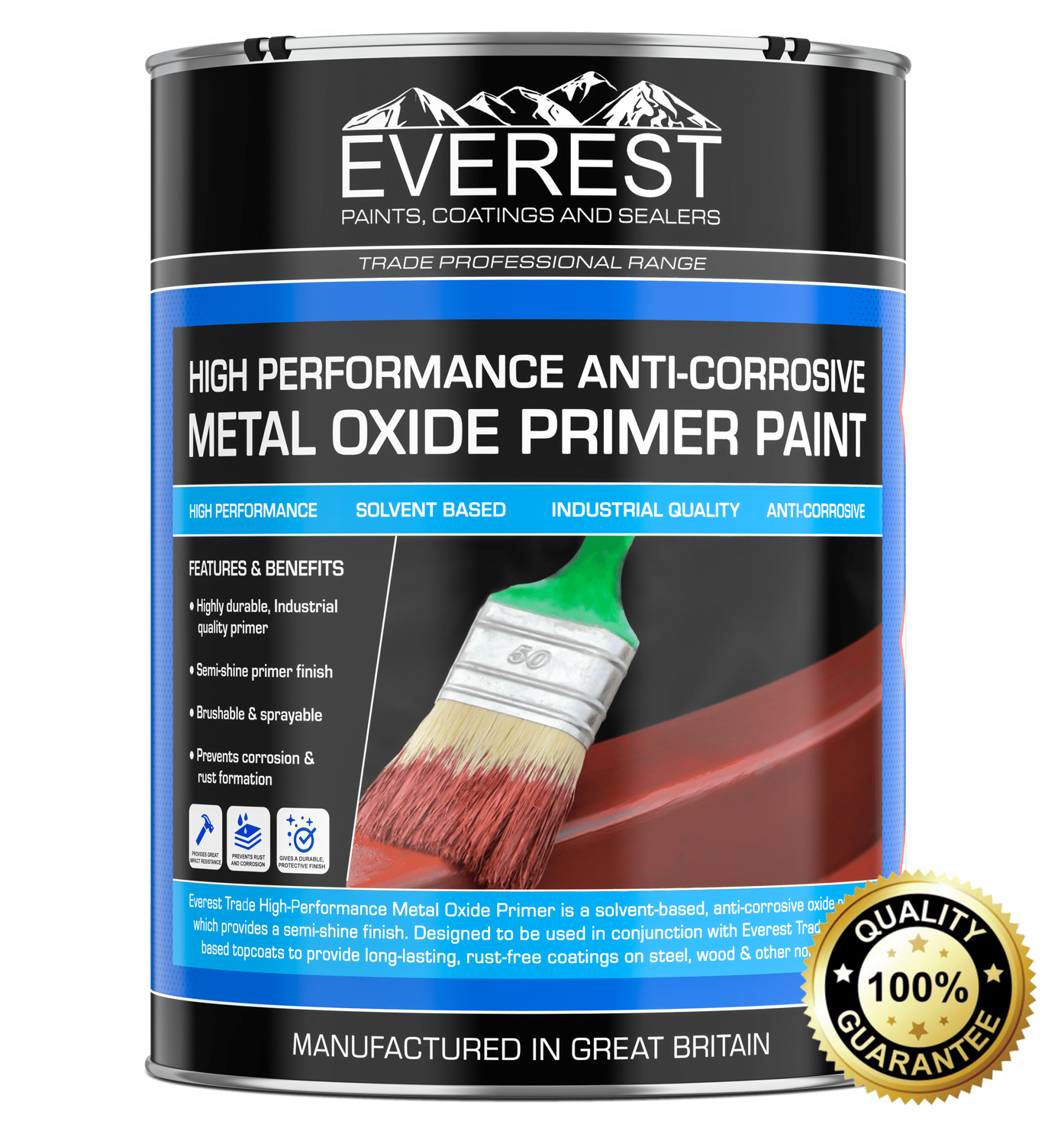
Where galvanised surfaces are heavily contaminated or subject to corrosion staining, the use of a compatible metal primer may be required prior to applying the finishing coat.
Performance Characteristics & Limitations
Paint systems for galvanised steel provide decorative finishing combined with moderate corrosion protection. When properly applied to prepared substrates, these coatings can extend the service life of galvanised fixtures and improve their appearance.
Acrylic coatings offer flexibility, UV stability, and relatively straightforward application for both interior and exterior surfaces. They are often used where colour stability and weather resistance are important, particularly on cladding and exposed structural components.
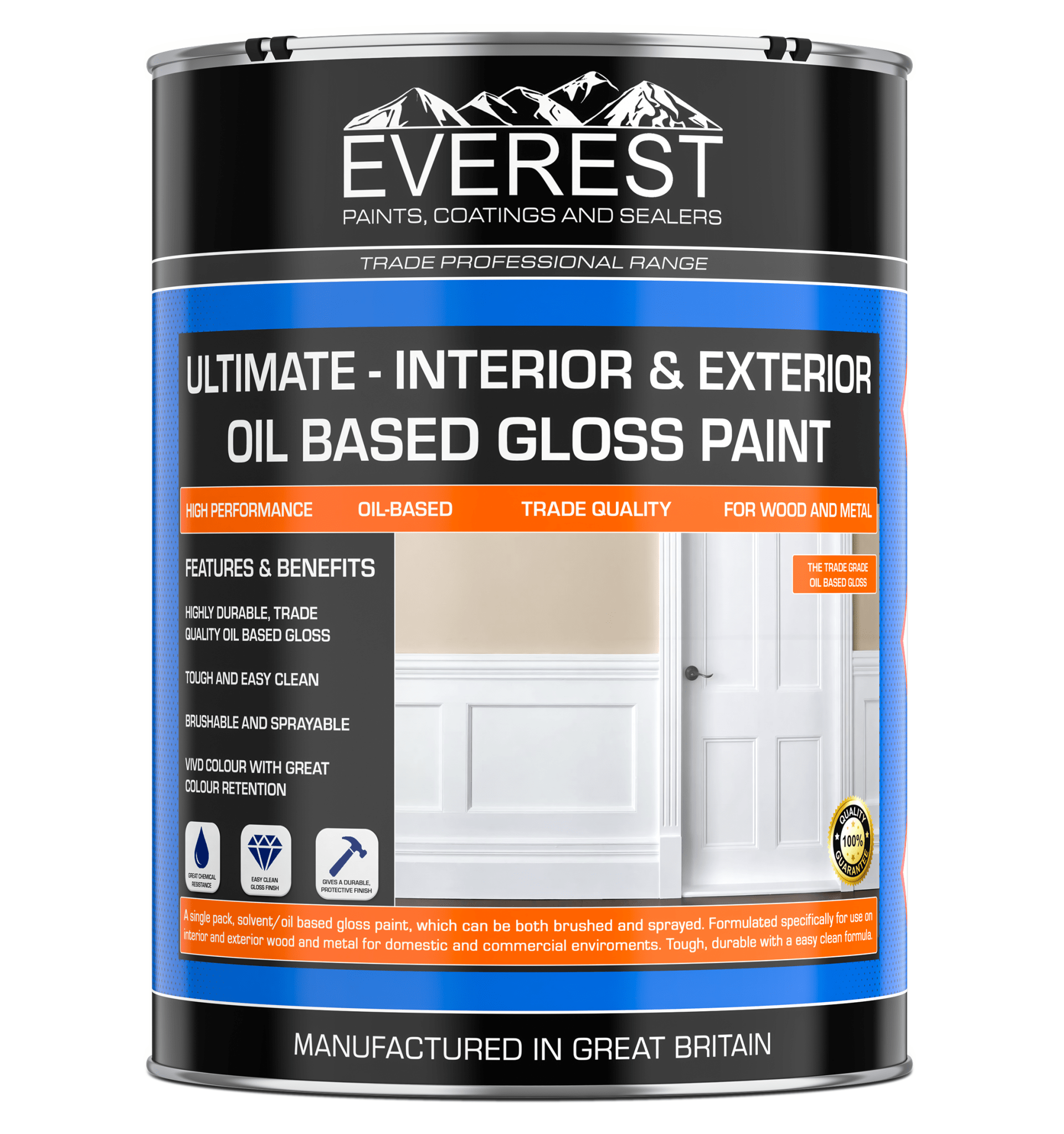
Oil-based coatings can provide improved flow and film formation on metal surfaces, offering additional barrier protection in sheltered environments or where slower curing systems are acceptable.
Despite these benefits, coatings applied to galvanised steel in this category are generally suited to light to medium duty service environments. They are not designed for aggressive industrial atmospheres, marine exposure, or environments involving chemical attack.
Adhesion performance is highly dependent on correct surface preparation. Coating failures on galvanised steel most commonly occur where new zinc surfaces were not properly cleaned or conditioned prior to application.
Internal vs External Considerations
Galvanised steel coatings may be used in both internal and external environments, but environmental exposure plays a significant role in coating selection and durability.
Internal applications such as ducts, service frames, agricultural buildings, and utility structures typically experience lower levels of UV exposure and environmental moisture. In these situations, coatings primarily provide decorative finishing and basic corrosion protection.
External galvanised steel surfaces such as cladding panels, gates, railings, and exposed fixtures require coatings with suitable weather resistance. UV exposure, temperature changes, and rainfall can gradually degrade coatings that are not formulated for outdoor use.
Acrylic-based coatings are often preferred for external galvanised steel because of their colour stability and resistance to weathering. Oil-based systems may be more suitable in sheltered or internal environments where environmental exposure is limited.
Where structures are exposed to prolonged weathering or industrial atmospheres, higher durability protective metal coating systems may be required.
Selection Guidance & When to Specify Alternatives
Coatings for galvanised steel are typically specified where decorative finishing and moderate corrosion protection are required on zinc-coated metal surfaces. Common use cases include agricultural buildings, industrial units, metal cladding systems, gates, railings, and general galvanised fixtures.
These systems are particularly suitable for refurbishment work where aged galvanised steel requires visual improvement or additional protective coating.
However, when galvanised structures are located in harsher service environments, alternative protective coating systems should be considered. Areas subject to severe weather exposure, industrial pollutants, or mechanical abrasion may require specialist anti-corrosion primers and higher durability topcoats.
In such situations, multi-layer metal coating systems incorporating dedicated primers and more robust finishing coats can provide longer-term protection.
Careful assessment of the galvanised substrate condition, expected exposure environment, and desired service life will help determine whether a standard galvanised steel coating system is appropriate or whether a more advanced protective coating specification should be selected.